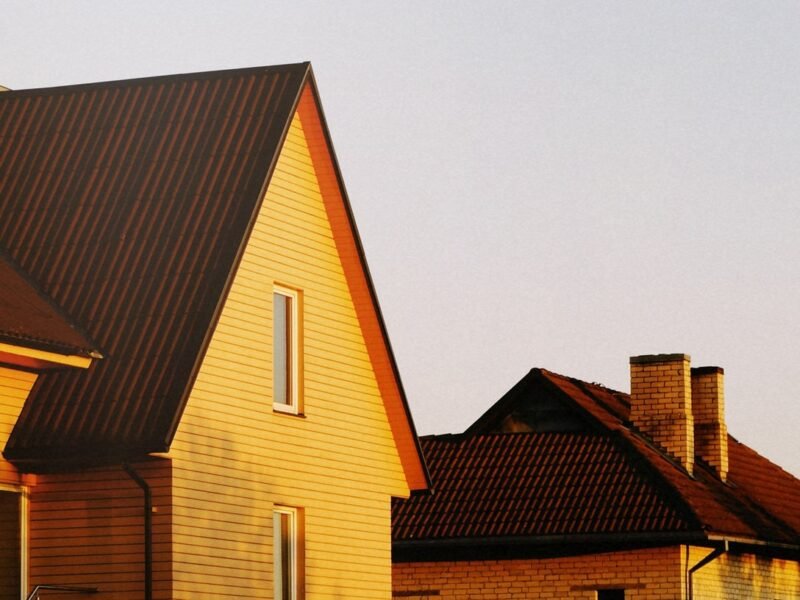
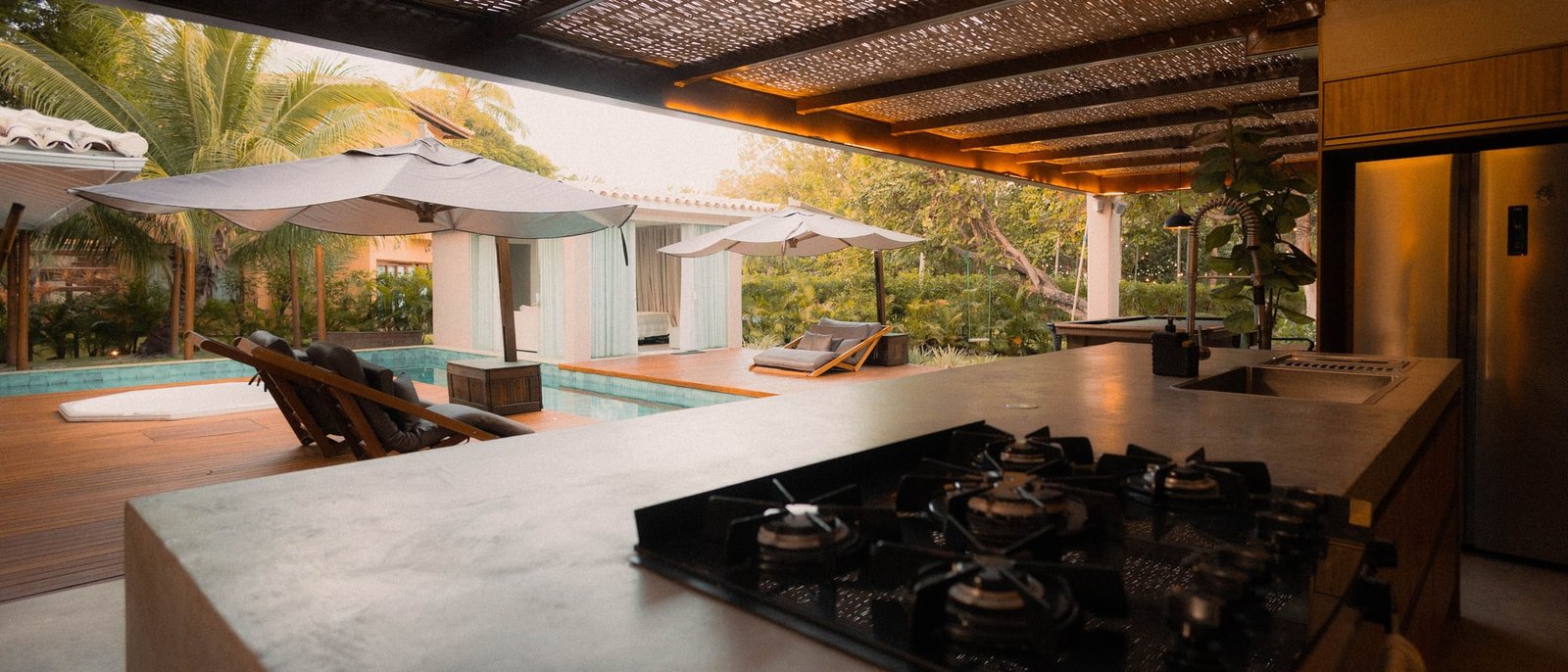
After more than 15 years in real estate, I’ve walked through thousands of homes at nearly every stage—new construction, beautifully renovated properties, homes that haven’t been touched in decades, and remodels where no expense was spared. And if there’s one thing I’ve learned, it’s this: expensive does not always equal valuable.
Homeowners can spend hundreds of thousands of dollars improving a property and still discover that buyers don’t value those improvements nearly as much as they do. The key isn’t simply spending more. It’s knowing where the money matters.
1. High-End Appliances
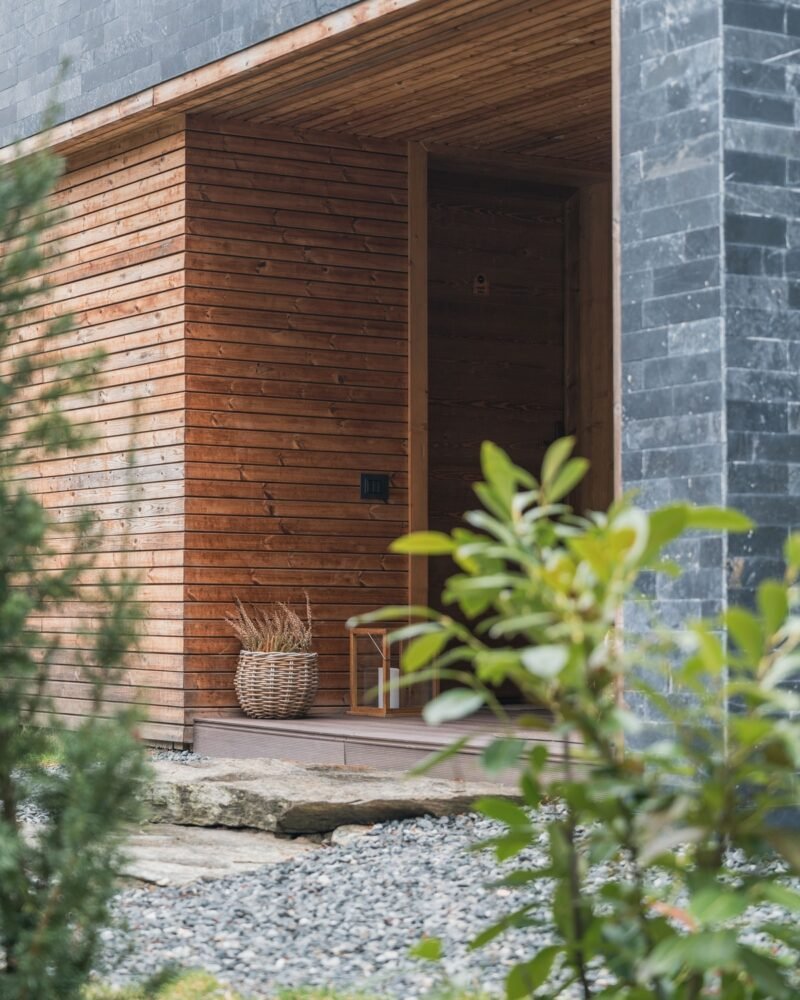
In the right price point, buyers absolutely recognize appliance brands. Wolf, Sub-Zero, Miele and other premium names communicate quality before a buyer ever turns on the range. That doesn’t mean every home needs a $20,000 refrigerator. Improvements need to make sense for the property and neighborhood. But as you move into higher price points, premium appliances become less of a bonus and more of an expectation.
2. Quality Flooring
Flooring is one of the few finishes buyers experience in virtually every room. Beautiful hardwood, natural stone or quality large-format porcelain can establish the caliber of a home immediately. Conversely, inexpensive or poorly installed flooring can make an otherwise beautiful renovation feel less substantial. If you’re choosing where to upgrade materials, this is one area I rarely recommend cutting corners.
3. Windows + Doors
This category is often underestimated. Large windows, substantial exterior doors and expansive sliders can completely change the way a home lives. They bring in natural light, create architectural presence and, particularly in Florida, strengthen the connection between indoor and outdoor living. Unlike decorative finishes that can quickly become dated, good windows and doors provide both aesthetic and functional value.
4. Curb Appeal
A buyer begins forming an opinion before walking through the front door. Landscaping, exterior lighting, a beautiful entry and a well-maintained façade establish the perceived quality of everything that follows. You don’t necessarily need to completely redesign the exterior. Sometimes thoughtful landscaping, fresh paint, updated lighting and a stronger entrance can dramatically change a buyer’s first impression.
5. Livable Square Footage
When it can be done intelligently, adding usable, permitted living space can be one of the most meaningful improvements to a property. An additional bedroom, office, guest suite or expanded living area doesn’t simply change how a home looks—it changes what the home offers.
But every decision should still begin with the numbers. What makes financial sense for a $700,000 property may be completely different from what buyers expect in a $5 million home. Neighborhood, comparable sales and buyer expectations all matter.
Before making a major improvement, I tell homeowners to ask two questions: Will I enjoy it? And will the next buyer value it? The best renovations accomplish both.
Because spending more doesn’t automatically make a home worth more. Knowing where to spend does.