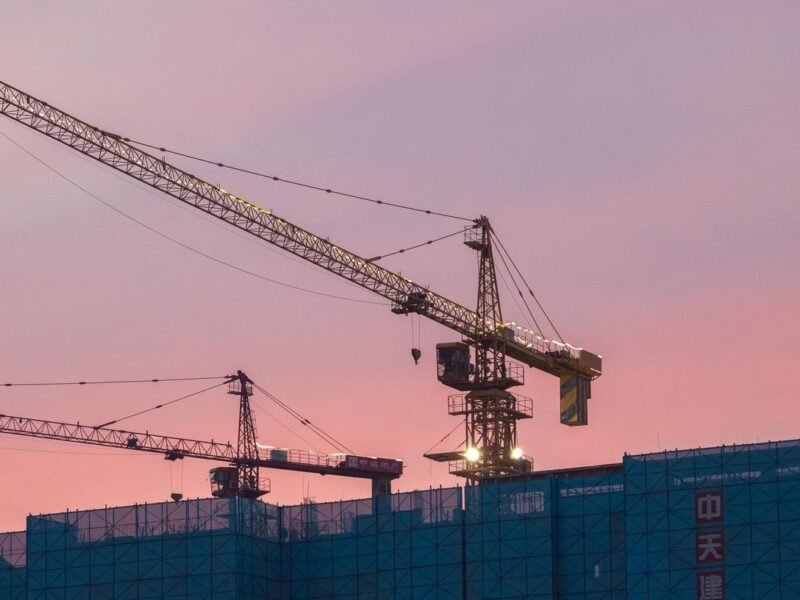

There is a particular kind of opportunity that rarely looks attractive at first glance.
It arrives when the market feels uncertain, financing requires more consideration, and the familiar confidence that once surrounded real estate investing has begun to fade.
For some, that uncertainty becomes a reason to wait.
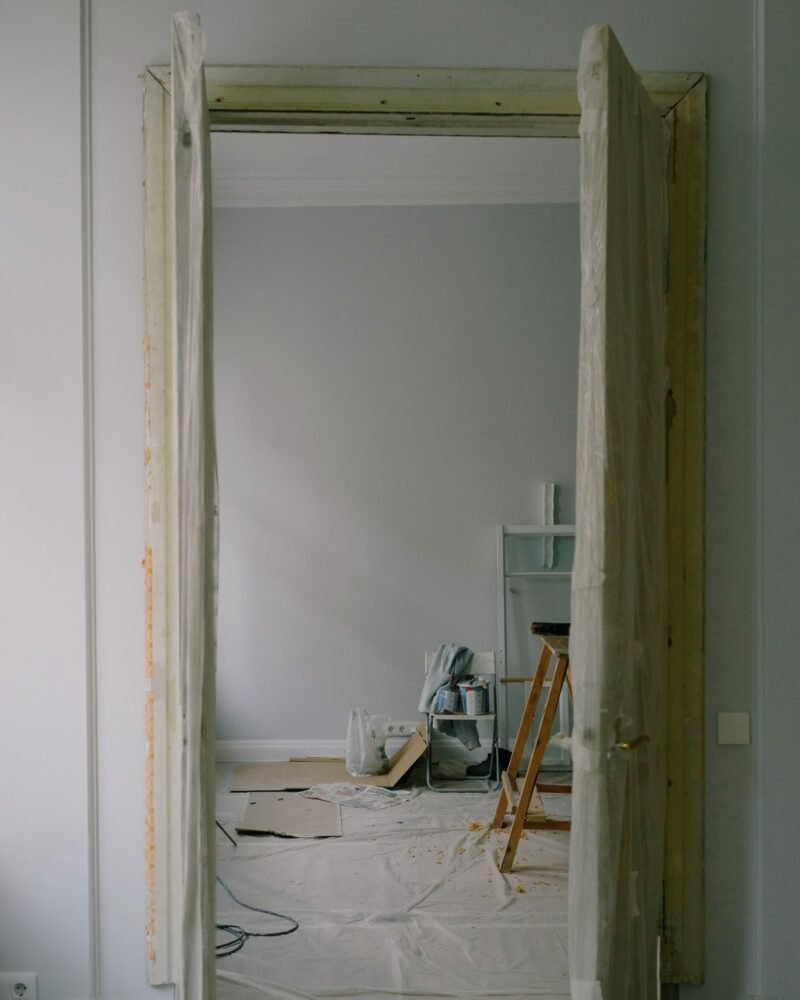
For others, it becomes a reason to look closer.
I have always found that distinction fascinating. Two investors can evaluate the same property, recognize similar potential, and understand the challenges ahead. Yet one sees too many reasons not to proceed, while the other begins asking what would need to happen for the investment to make sense.
The difference is not necessarily experience, financial strength, or appetite for risk.
Often, it is the quality of the plan behind the decision.
We have become accustomed to discussing risk as something to avoid. But real estate investing has never been about eliminating uncertainty. It is about understanding which risks are worth taking, which can be managed, and which should cause us to walk away.
And perhaps that is the conversation we should be having more often.
Today’s residential market is forcing investors to think differently. Higher borrowing costs, construction expenses, and changing buyer expectations have made certain strategies less predictable. But unpredictability does not automatically eliminate opportunity.
It simply makes preparation more valuable.
Consider a builder evaluating a residential construction project. The immediate concerns may be familiar: Will construction stay within budget? Will the property achieve its anticipated value? Will buyers be there when the project is completed?
Those questions matter.
But a stronger conversation goes further.
What happens if the property takes six additional months to sell? Is there sufficient liquidity to absorb the delay? Could the completed home perform as a rental? Would refinancing be feasible, or would the additional costs compromise the investment?
These are not questions designed to discourage the project.
They are questions that help determine whether the opportunity deserves the risk.
In my work in private lending, I believe some of the most valuable conversations happen before we ever discuss interest rates or loan terms.
I want to understand what an investor is trying to accomplish, what could prevent that outcome, and whether the proposed capital structure provides enough flexibility to navigate the unexpected.
Sometimes the answer is to move forward.
Sometimes it is to restructure the financing, strengthen the reserves, or reconsider the exit.
And sometimes the right advice is to wait.
That is what meaningful guidance should look like.
A financing professional should not simply help an investor access capital. The relationship should provide clarity around the decisions that capital makes possible.
Because confidence should never come from someone promising that everything will work out.
It should come from knowing what happens if it doesn’t.
That is where a solid investment plan becomes powerful.
When an investor understands the numbers, anticipates potential setbacks, protects liquidity, and establishes realistic alternatives, uncertainty becomes something that can be evaluated rather than simply feared.
The opportunity may still carry risk. Every investment does.
But the decision is no longer driven solely by emotion.
I also believe there is a cost to remaining on the sidelines indefinitely. Not every missed opportunity represents a loss, but waiting without a clear investment framework can become its own limitation.
Markets rarely announce the perfect moment to act.
By the time certainty feels comfortable, the conditions that created an attractive opportunity may already have changed.
The objective is not to become fearless.
It is to become prepared enough to distinguish between a risk worth taking and one that is not.
Because the investors who build lasting wealth are not necessarily those who take the greatest risks. They are the ones who understand what they are risking, why it matters, and what they will do next.