Architecture has been part of my life for decades, shaping not only my professional journey but also the way I see and experience the world around me. Graduating in Architecture and Urbanism in Brazil in 1999, I was deeply influenced by the ideas and principles of the Modern Movement, which taught me to value clarity, proportion, functionality and the transformative power of space.
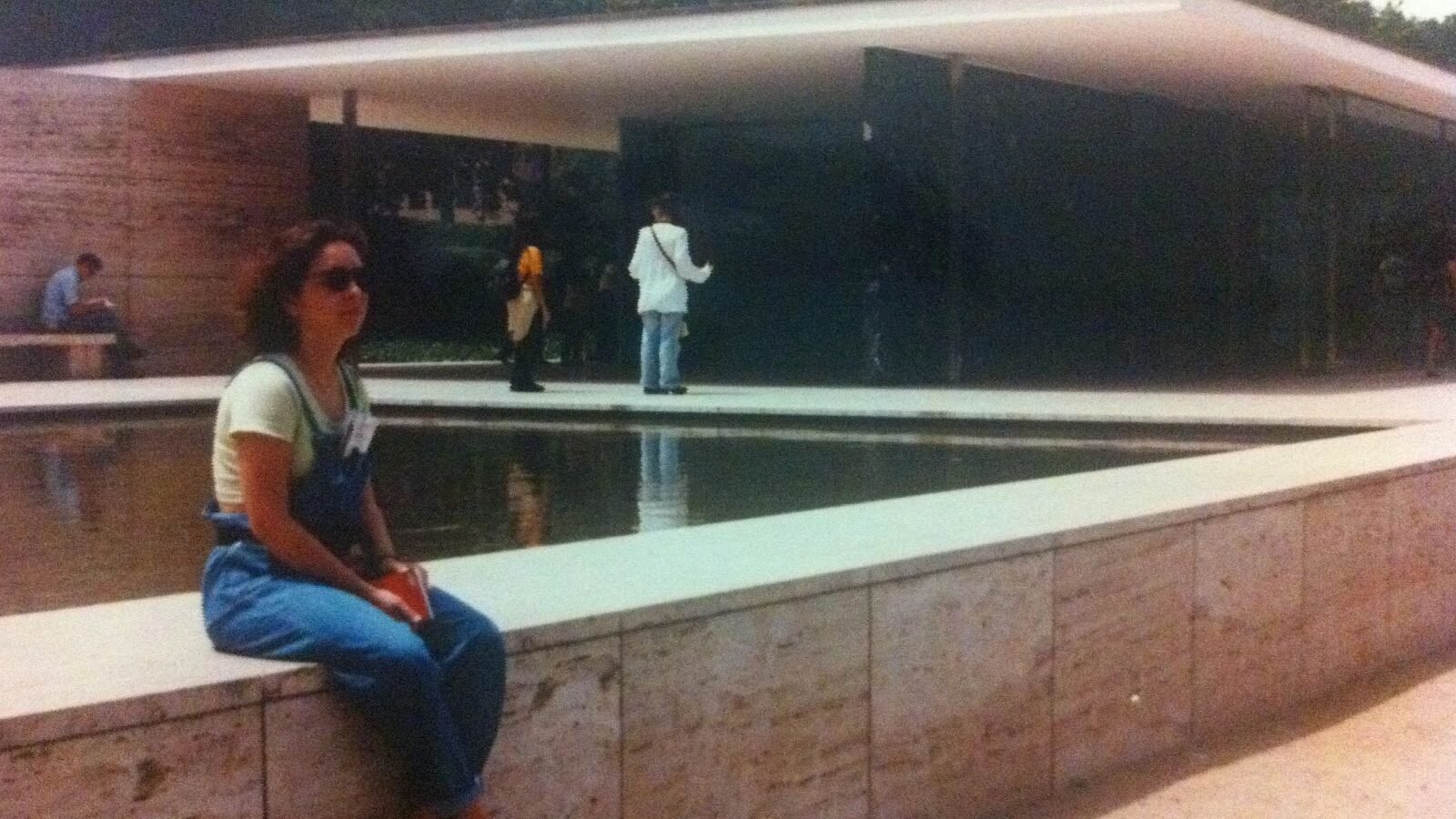
As I begin this column, I thought it would be fitting to share two projects that left a profound impression on me during my academic years and continue to influence my understanding of architecture today. They are very different works, yet both helped shape the lens through which I evaluate architecture: the Barcelona Pavilion, by Mies van der Rohe, and Villa Savoye, by Le Corbusier.
I first encountered the Barcelona Pavilion as a student, and it immediately challenged my understanding of what architecture could be. There is an extraordinary sense of calm in that building. Nothing appears excessive, yet every element feels intentional. The walls do not simply define rooms; they guide movement. The materials are not merely finishes; they become protagonists. Marble, glass, water and light interact with remarkable precision, creating a space that feels both simple and sophisticated.
What fascinated me most was the effortless relationship between interior and exterior. The building seems to dissolve traditional boundaries, allowing architecture, landscape and reflection to become part of a single composition. Mies van der Rohe demonstrated that architectural quality is not measured by complexity, but by the intelligence behind each decision. His famous principle, “less is more,” was never about reduction for its own sake. It was about achieving clarity.
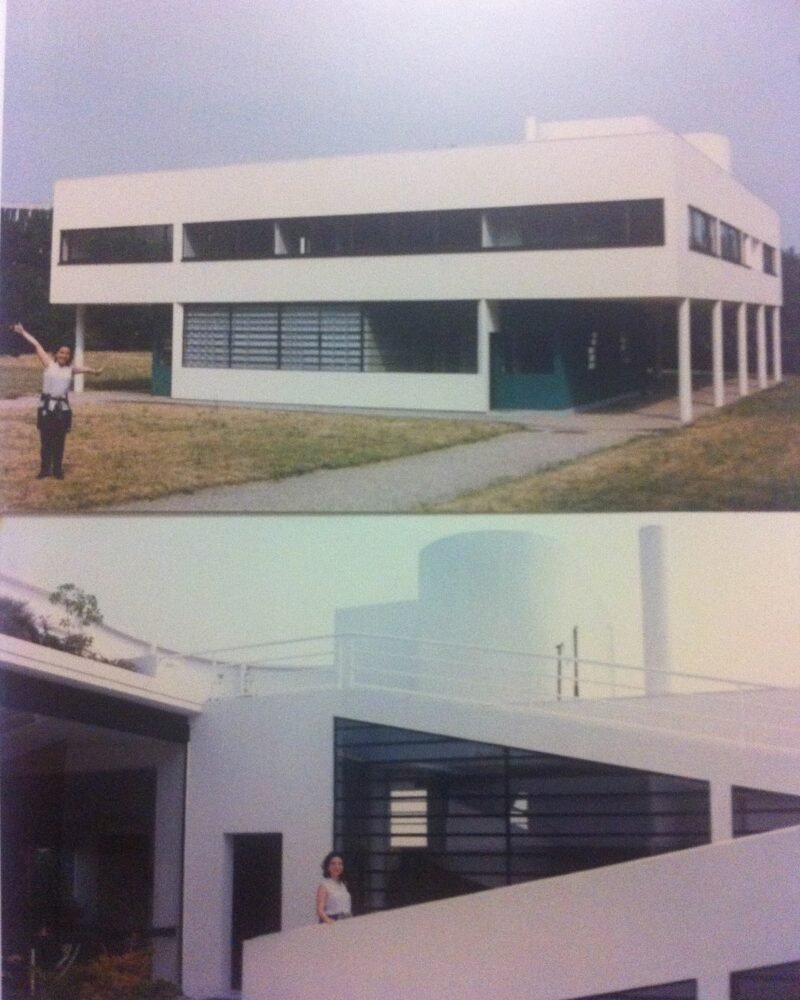
Another project that profoundly shaped my architectural education was Villa Savoye. Designed by Le Corbusier and completed in 1931, the house became one of the defining works of modern architecture and a physical expression of ideas that continue to influence designers today.
What I admire about Villa Savoye is not only its iconic appearance but the way it reimagined domestic living. The pilotis, ribbon windows, open floor plan and roof garden were revolutionary concepts at the time, yet their importance extends beyond innovation. Le Corbusier understood that architecture should respond to the needs of modern life while creating spaces that elevate everyday experiences.
Although these two projects are very different in character, they share something fundamental: a deep commitment to spatial intelligence. Neither building relies on ornament or spectacle. Their power comes from proportion, composition, light and the thoughtful organization of space.
Today, my appreciation for architecture extends far beyond any single movement or style. Over the years, I have developed a deep admiration for classical architecture as well, and I have come to believe that quality architecture cannot be defined by aesthetics alone.
For me, great architecture is rooted in intelligence, purpose and the ability to create meaningful human experiences. It is found in projects that respond thoughtfully to their context, enrich daily life and remain relevant long after trends have faded.
Through Global Architecture, I hope to share places, projects and ideas from around the world that inspire reflection on what makes architecture truly enduring. And it seems only appropriate to begin with two works that helped shape the very foundations of my architectural vision.
Because while styles evolve and technologies change, the pursuit of quality architecture remains timeless.